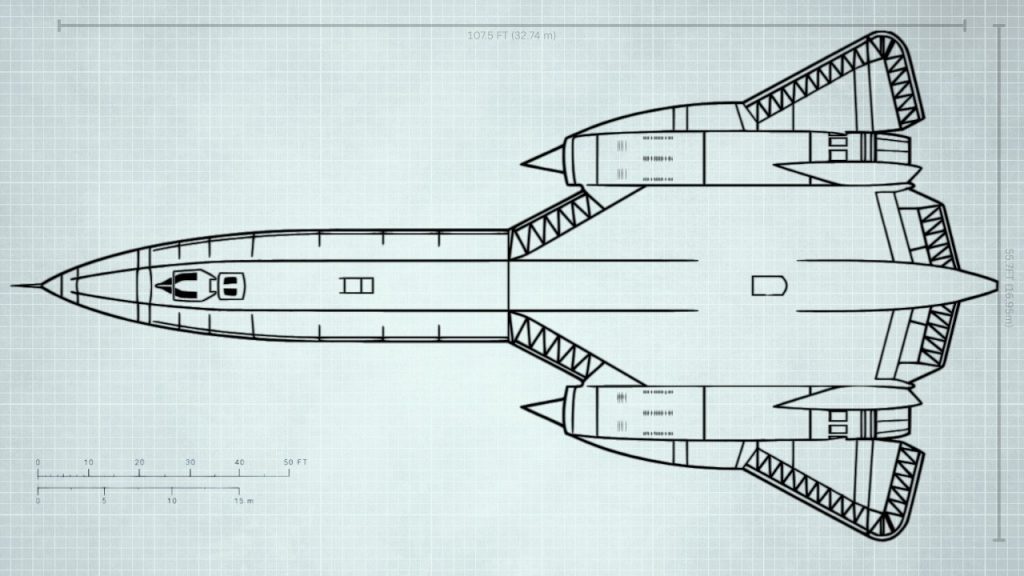
The LTV SLAM is a supersonic strategic missile developed by LTV for the US Air Force at the peak of the Cold War in the 1960s. SLAM is unique in every way: in strategy and military technology. It was planned to use a highly powerful nuclear ramjet engine as its propulsion system, capable of accelerating the missile to speeds three to four times faster than the speed of sound, at both high and low altitudes. Furthermore, the use of nuclear fuel would have provided an unprecedented range of up to 182,000 km. In patrol mode, the missile could remain aloft for several days and circle the globe several times.The methods of deployment were also unique. Unlike most missiles, which deliver a warhead to a target and detonate with it, SLAM was essentially an unmanned bomber. It was designed to fly a complex route, dropping hydrogen bombs on its targets. After depleting its payload, it would continue flying over enemy territory, inflicting additional damage with a sonic boom and radiation contamination of its engine.The project was well underway: most of the scientific and design work had been completed, and prototypes of the Tory reactor—the heart of the missile’s engine—were built and tested. However, advances in other types of strategic weapons, the high cost, and the enormous political and environmental risks of such an extreme weapon forced the military to cancel the project. SLAM was too scary to build, but it’s technology became the basis for the development of other areas in aviation and nuclear energy00:00 – A small story of a great nightmare00:28 – Super missile01:50 – Ramjet03:04 – Project Pluto and the Tory Reactor06:30 – SLAM missile09:26 – Flying arsenal10:47 – Herald of the Apocalypse11:57 – Weapon that frightened its creators
Summary
The LTV SLAM represents a unique concept in strategic military technology developed during the Cold War era. This supersonic missile was designed by LTV for the US Air Force with an unprecedented propulsion system featuring a nuclear ramjet engine. The engine utilized nuclear fuel to achieve speeds three to four times faster than sound at various altitudes while providing a range of up to 182,000 kilometers. In patrol mode, the vehicle could remain airborne for several days and circle the globe multiple times.
Deployment methods differed significantly from conventional missiles as the SLAM functioned essentially as an unmanned bomber. It was intended to fly complex routes dropping hydrogen bombs on targets before continuing over enemy territory. After exhausting its payload, the missile would inflict additional damage through sonic booms and radiation contamination from its engine. Although scientific work progressed and prototypes of the Tory reactor were built and tested, the project faced cancellation. Factors included advances in other strategic weapons, high costs, and significant political and environmental risks associated with such an extreme weapon. Ultimately, while the project was abandoned due to being too frightening to build, the technology contributed to developments in aviation and nuclear energy.