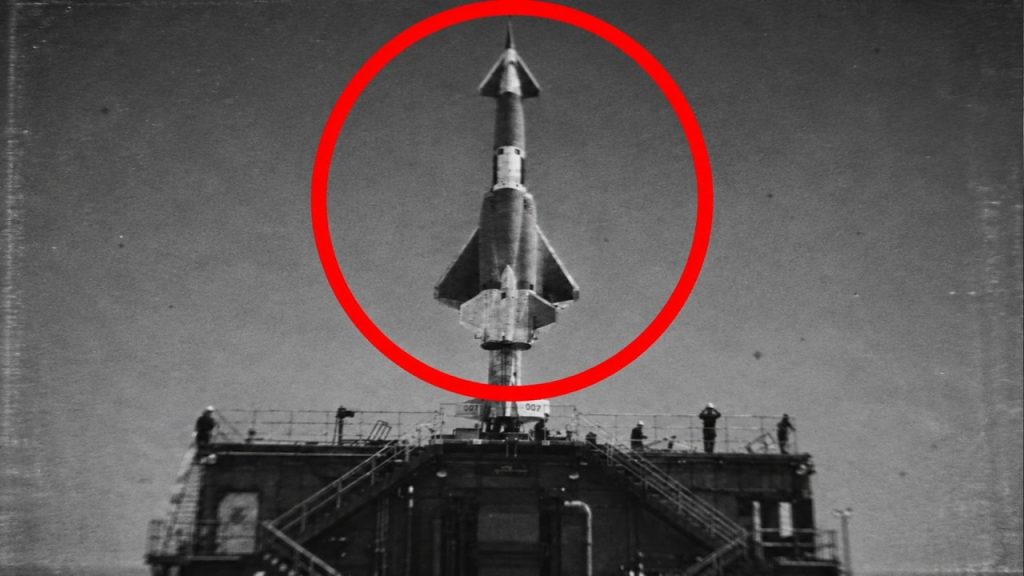
Did the United States sabotage Canada’s Avro Arrow interceptor, and what does that mean for the F-35 debate today? In this video, I break down the history of the CF-105 Avro Arrow, why it was canceled, and whether Washington actually played a covert role or simply benefited from Canada’s decision. The Arrow wasn’t a fantasy project. It was a serious Cold War interceptor designed to defend North America from Soviet bombers flying over the Arctic. It flew, it went supersonic, and it pushed Canada’s aerospace industry to the edge of what it could sustain. Then in 1959, it was canceled and physically destroyed, prototypes, tooling, and all. I walk through the real reasons: cost, shifting missile doctrine, NORAD integration, and political tradeoffs. There’s no credible evidence of U.S. sabotage. What did happen is more subtle. The cancellation deepened Canada’s long-term dependence on American aircraft, sustainment pipelines, and defense integration. Now, as Canada reexamines its F-35 purchase and weighs alternatives like Gripen or Rafale, the Arrow isn’t nostalgia. It’s a sovereignty question. Who designs. Who upgrades. Who decides what flies over Canadian airspace when politics get tense.Subscribe for grounded military and geopolitical analysis with a heavy dose of humor.Tldr: The video discusses the Avro Arrow, Canada’s homemade interceptor, suggesting the U.S. may have sabotaged its development. It highlights the aircraft’s resurgence in discussions about Canadian sovereignty and air power, particularly when defense procurement issues arise, making it a key piece of Canadian history. This deep dive into the Avro Arrow emphasizes its significance in aviation and aerospace technology, showcasing why this particular fighter jet remains a topic of considerable debate.
Summary
The video examines the history of Canada's CF-105 Avro Arrow, a Cold War interceptor designed to defend North America from Soviet bombers. Although popular conspiracy theories suggest United States sabotage led to its cancellation in 1959, the analysis indicates there is no credible evidence supporting such covert actions by Washington. Instead, the program was terminated due to domestic factors including high costs, shifting missile doctrines, and integration requirements within NORAD. The destruction of prototypes and tooling marked a significant end for Canada's aerospace industry capabilities at that time.
The discussion connects this historical event to contemporary debates surrounding Canadian defense procurement, specifically regarding the F-35 purchase versus alternatives like the Gripen or Rafale. Rather than serving merely as nostalgia, the Arrow represents ongoing questions about national sovereignty and air power independence. The content explores how reliance on American aircraft sustainment pipelines deepened after 1959, influencing current decisions on who designs systems and controls airspace security during geopolitical tensions.
Watch “Canada's Arrow Wasn't Sabotaged, It Was Something Worse” on YouTube