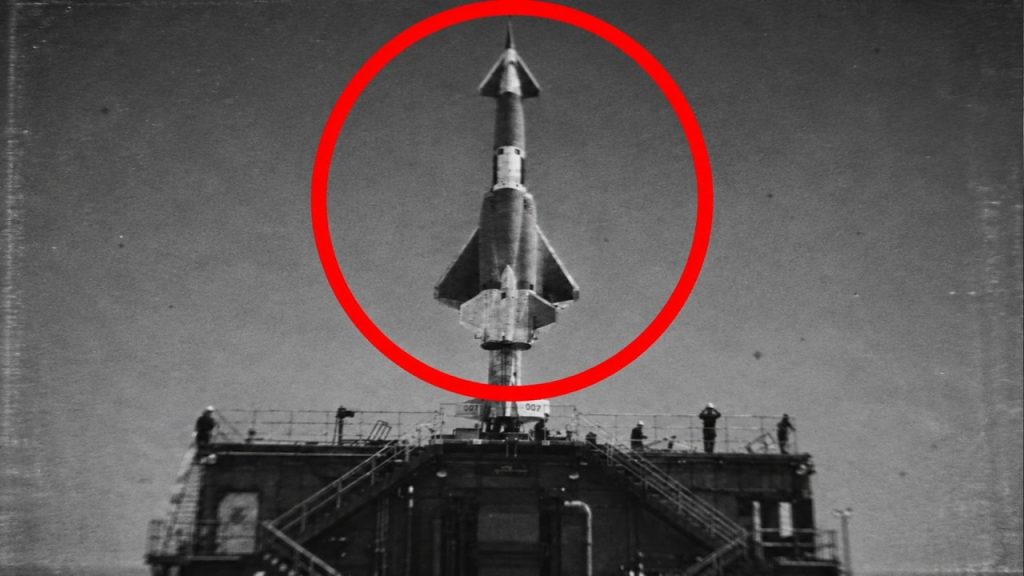
Thirty-five years ago, the United States military pulled off what experts called impossible: in just 38 days, coalition forces completely destroyed Iraq’s massive air defense network without losing a single bomber.Today, as tensions rise between Washington and Tehran, the Pentagon is reportedly dusting off that same Desert Storm blueprint – updated for modern technology and Iranian defenses.In this video, we break down exactly how the US would suppress and destroy Iran’s air defense network, including: The first-night stealth strikes that blinded Iraq’s radars in 1991 How Iran’s S-300PMU2, Bavar-373, and Khordad systems compare to Iraq’s defenses The critical vulnerability in Iran’s command-and-control integration Modern US capabilities: F-35C stealth fighters, EA-18G Growlers, Tomahawk missiles, and ADM-160 decoys Cyber warfare and electronic attacks that could cripple Iran before a single shot is fired Why Desert Storm planners would be impressed – and how today’s tech makes the results even more decisiveWe also cover CENTCOM deployments, current US naval and air assets, and historical lessons Iran can’t afford to ignore.
Summary
This video from Navy Media examines a hypothetical scenario where the United States military revives strategies originally developed during Operation Desert Storm to counter modern Iranian air defenses. Thirty-five years ago, coalition forces successfully dismantled Iraq's extensive radar network in just 38 days without losing any bombers. The content suggests that with rising tensions between Washington and Tehran, the Pentagon is reportedly updating this historical blueprint for current technological realities.
The overview details how the US might suppress enemy systems through a combination of stealth capabilities, cyber warfare, and electronic attacks before engaging in direct conflict. Specific focus is placed on comparing Iran's S-300PMU2, Bavar-373, and Khordad systems against their historical Iraqi counterparts. The analysis highlights potential vulnerabilities within Iran's command-and-control integration and explores the roles of modern assets such as F-35C fighters, EA-18G Growlers, Tomahawk missiles, and ADM-160 decoys. Drawing on reporting from The War Zone and official CENTCOM statements, the presentation aims to illustrate how evolving air power could decisively shape a potential Gulf conflict while emphasizing historical lessons that adversaries might overlook.
Watch “The SECRET Drone Army Coming to US Navy Carriers – China Has NO ESCAPE” on YouTube