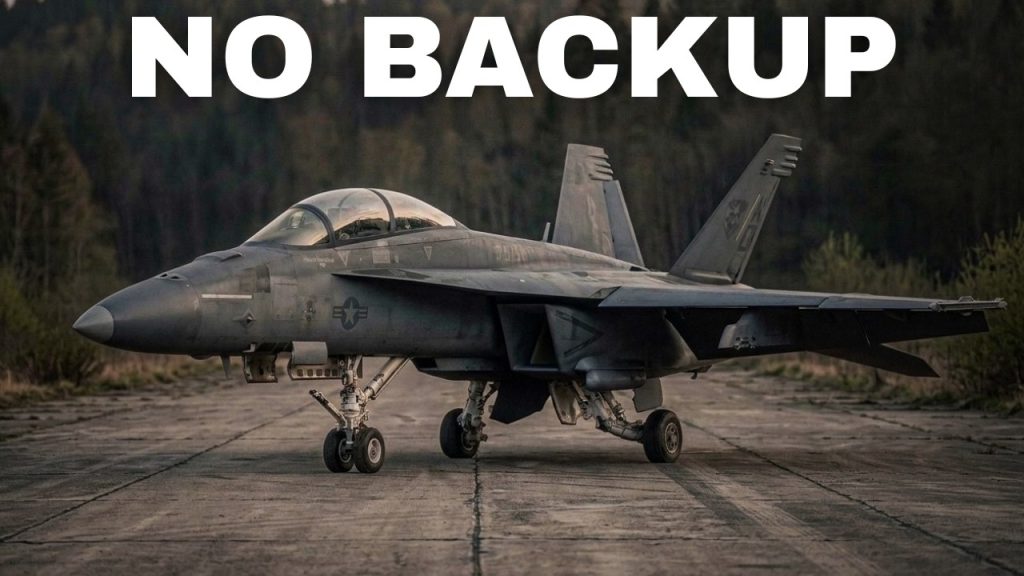
On October 7th, Naval Air Systems Command posted a sole-source contract notice covering software updates, flight testing, and integration work for the AGM-158C Long-Range Anti-Ship Missile. The recipient was Lockheed Martin. The target airframe was not a Navy strike fighter, nor was it a shipboard vertical launch cell. It was the U.S. Air Force’s B-52H Stratofortress. In this breakdown, we examine why the U.S. Navy is spending maritime procurement funds to modify an airframe first flown during the Truman administration. Across the Western Pacific, carrier strike groups face an unprecedented anti-access challenge: shore-based anti-ship ballistic missiles out-range carrier air wings, while surface escorts cannot afford to trade defensive interceptors for offensive strikes. With vertical launch system (VLS) underway replenishment unavailable at sea, the joint force is shifting maritime strike off the flight deck and handing it to land-based heavy bombers capable of launching massive saturation salvos outside adversary air defense envelopes. Key topics covered: The geometry of Western Pacific anti-access bubbles and carrier strike group vulnerability Why Arleigh Burke destroyers cannot afford to trade defensive interceptors for offensive strikes How the B-52 acts as a standoff bomb truck carrying up to 20 AGM-158C LRASMs The operational pairing between the B-21 Raider (forward scout) and the B-52 (standoff shooter) The role of the AIM-174B on Super Hornets as perimeter protection The munition bottleneck: modest annual procurement runs vs. wartime expenditure rates
Source: Why the Navy Is Paying to Turn the Air Force’s B – 52 Into a Ship – Killer