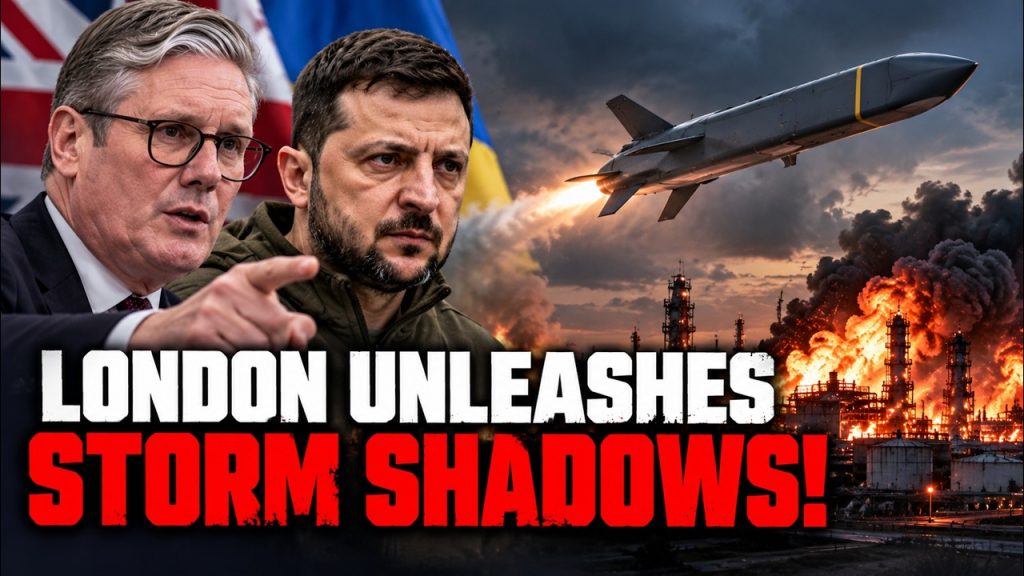
Russia is reviving a Soviet-era base near Finland’s border in Petrozavodsk, and Moscow wants it to look like a warning to NATO. In this video, I break down what the satellite imagery actually shows, what the 44th Army Corps really represents, and why Finland is the wrong neighbor for intimidation theater. Yes, construction is underway. Forest cleared. Vehicles parked. Radar coverage thickening. On paper, Russia plans to anchor its 44th Army Corps there. In reality, many of those formations have already been tied up in Ukraine. What you’re seeing today looks more like long-term staging and logistics scaffolding than a fully manned invasion force. I explain why Karelia is a logistics challenge in winter, why “vehicles in storage” doesn’t mean modern readiness, and how radar regiments signal posture more than offensive intent. Then I zoom out to what Moscow doesn’t like talking about: Finland’s F-35 fleet and its purchase of JASSM-ER cruise missiles, which can hold sensitive Russian sites at risk deep in the north. The more Russia builds fixed infrastructure near NATO’s newest member, the more predictable and targetable those nodes become. That’s the deterrence paradox at work. Russia is trying to look strong. Finland makes that strength expensive.Subscribe for grounded military analysis with a side of sarcasm.Tldr: We examine Russia’s efforts to reactivate an old Soviet base near the Finnish border, and question if it’s truly a warning to NATO or a dare Russia can’t comfortably back up. With satellite imagery showing numerous Su-35s and military personnel at Petrozavodsk International Airport, the situation highlights ongoing developments in the russia ukraine war. This analysis considers Finland’s recent military acquisitions and the broader implications for the military landscape.
Summary
The video examines reports that Russia is reactivating a Soviet-era military facility near the Finnish border in Petrozavodsk. Satellite imagery reportedly shows cleared forests, parked vehicles, and increased radar activity at the local airport, suggesting long-term logistical preparation rather than an immediate invasion force. The analysis questions whether Moscow intends to use this infrastructure as a warning to NATO or if it represents a strategic overreach given that many assigned units are currently engaged in Ukraine.
The presenter discusses specific challenges facing Russia in Karelia during winter conditions and argues that visible equipment does not necessarily indicate modern combat readiness. A significant portion of the overview addresses Finland's recent military acquisitions, specifically its F-35 fighter fleet and purchase of JASSM-ER cruise missiles. These assets are presented as capable of threatening sensitive Russian sites deep within northern Russia. The video concludes by highlighting a deterrence paradox where building fixed infrastructure near NATO members makes those locations more predictable targets rather than effective deterrents against Finland's growing capabilities.
Watch “Russia's Infrastructure Problem Near Finland Gets Worse” on YouTube