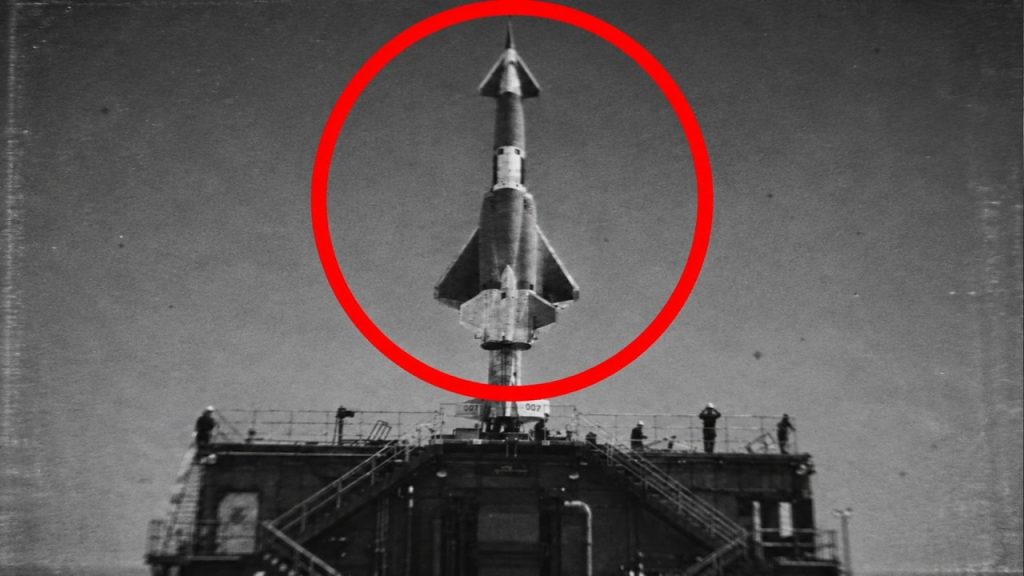
China unveils the TPG-1000C, a powerful microwave weapon capable of disabling satellites without creating space debris—raising concerns for Starlink and global space security. Meanwhile, the UK’s Orbex collapse threatens Britain’s sovereign launch capability. Is this the beginning of a new space power shift between China and the UK?
Summary
China has introduced the TPG-1000C, a microwave weapon system designed to disable satellites without generating space debris. This development marks a significant shift in space warfare capabilities by offering a method to neutralize orbital assets while avoiding the traditional risks associated with kinetic anti-satellite tests. The technology raises immediate concerns for existing satellite constellations like Starlink and broader global space security frameworks, as nations must now consider non-kinetic threats alongside physical collisions.
Simultaneously, the United Kingdom faces challenges regarding its sovereign launch capabilities following the collapse of Orbex. This event highlights potential vulnerabilities in Britain's ability to independently access space, contrasting with China's advancements in directed energy weapons. The situation suggests a possible realignment of power dynamics within the space domain, where technological superiority in electronic warfare may be becoming as critical as traditional launch infrastructure.
The combination of these events underscores a complex geopolitical landscape. While China demonstrates progress in developing defensive and offensive microwave systems that preserve orbital environment integrity, other nations grapple with sustaining independent access to space. These developments collectively indicate an evolving era where space security depends on managing both physical debris risks and emerging electronic threats, potentially reshaping international strategies for satellite protection and national space programs.
Watch “China’s “Starlink Killer” Weapon Just Changed Space Warfare Forever” on YouTube