The argument at the Sevastopol filling station is really an argument about why Crimea is running short. In the comments under the video above, residents blame each other for draining the pumps: fill the tank, empty it into canisters at home, come back, fill up again, and add another twenty litres on top. Others blame the blackouts, arguing that if people had electricity there would be no rush for gasoline at all. Both explanations point at the same reality, which is that fuel on the peninsula is now rationed, expensive and unreliable. What began as a series of strikes on depots, substations and supply routes has become a daily-life squeeze that residents can measure in litres, prices and hours spent in line.
The Line at the Pump
Across Russian-occupied Crimea, motorists at many petrol stations are now limited to twenty litres per purchase, if they can buy fuel at all. Reports from the peninsula describe prepaid vouchers, dispensing by QR code and queues that can stretch for hours, with some residents saying they have waited most of a day to fill up. Prices for petrol and diesel have risen sharply as the supply gap has widened, and the higher cost lands on everything that has to move by road. Russian tourists who drove into Crimea before the crisis have struggled to find enough fuel to get home, and the Moscow-installed authorities have opened a special hotline for travellers trying to leave. None of this is the picture of a temporary glitch at a few stations; it is rationing, administered locally and experienced personally.
The hoarding described in the Sevastopol comments is a predictable response to that rationing, not just bad behaviour. When drivers do not know whether the next station will have fuel, or whether tomorrow’s limit will be tighter, filling every container they own is individually rational even though it makes the collective shortage worse. The twenty-litre cap is meant to spread a shrinking supply across more vehicles, but a cap also tells every driver that the supply is shrinking. That signal alone can double demand overnight, as motorists who would normally buy ten litres buy twenty and store the difference. Officials then face a choice between tighter controls, which confirm the panic, and looser ones, which empty the pumps faster.
Generators, Hoarding and the Blame Game
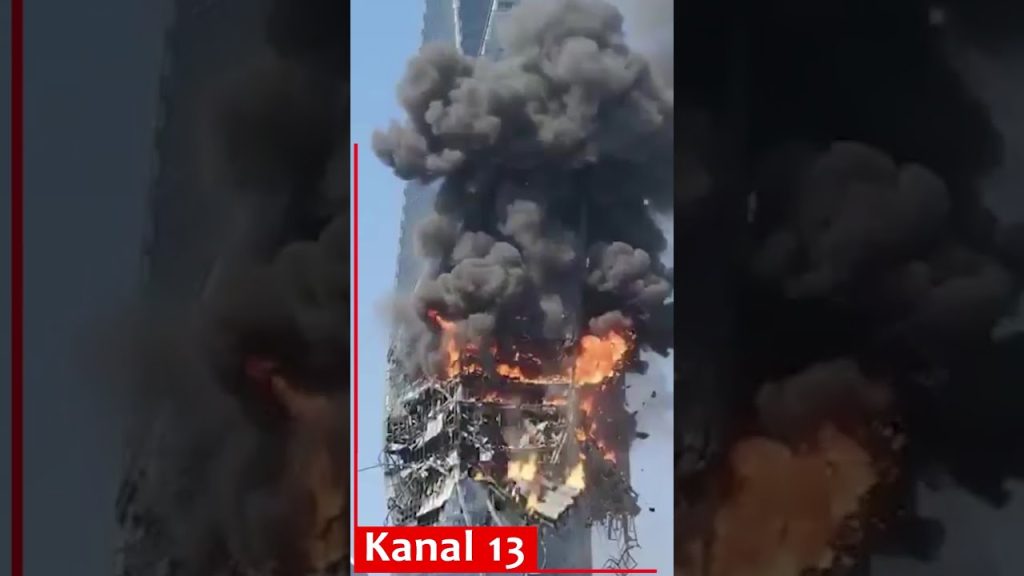
The second explanation in the comments is just as important: gasoline in Crimea is no longer only for cars. After repeated Ukrainian strikes on substations and grid nodes, cities including Yalta, Sevastopol and Simferopol and much of the southern coast have suffered long blackouts and water shortages, according to Ukrainian television reporting. Every blackout turns a generator into essential household equipment, and every generator is another fuel customer competing with motorists at the same limited pumps. “Give people light, and there won’t be a rush for gasoline,” one commenter wrote, while another answered the rationing debate directly: “People need gasoline for their generators!” The fuel crisis and the power crisis are therefore not two separate problems; each one feeds the other, and fixing one without the other leaves the queues in place.
The blame game extends beyond the forecourt. In a separate resident’s account from November 18, a Sevastopol local complained that neighbours had “scooped up” the gasoline in canisters and created the panic themselves, and said sugar had vanished from store shelves within about three hours of a buying rush. The same resident made a point the authorities have also made: gasoline, he said, was never transported across the Crimean Bridge in the first place. Sevastopol’s governor, Mikhail Razvozhayev, has similarly said that food and fuel were hardly carried over the bridge, whose main traffic was private cars and scheduled buses. Those claims can be true and still miss the point, because a supply system can fail at its depots, its power grid and its roads without failing at its most famous bridge.
Prices, Power and Short Shelves
Food is the second front of the squeeze, and it is showing up first in prices rather than empty shelves. Ukrainian reporting from Simferopol says the cost of meat and basic goods on the peninsula already significantly exceeds prices inside Russia, a premium that reflects longer, riskier and more expensive supply routes. When freight has to detour, queue and compete with military traffic, retailers pass the cost on, and households feel a logistics war as a grocery bill. Episodes like the three-hour sugar clearance matter less for the sugar itself than for what they reveal: shoppers who expect shortages buy ahead, and shelves that were adequate for normal demand empty under abnormal demand. Authorities insist that deliveries continue and supplies are secure, but residents judge the system by what they can buy, at what price, on the day they need it.
Winter is what turns this squeeze from an inconvenience into a test. Cold weather raises demand for heating fuel and electricity at exactly the moment when the grid is damaged and fuel distribution is rationed. A household running a generator for light may soon be running it for heat as well, multiplying its fuel consumption. Water shortages linked to power cuts add a further layer, because pumping and treatment depend on the same electricity the strikes keep interrupting. None of these pressures requires a single dramatic event; they compound quietly, week by week, in queues, bills and cold rooms.
A Bridge, a Highway and a Hard Winter Ahead
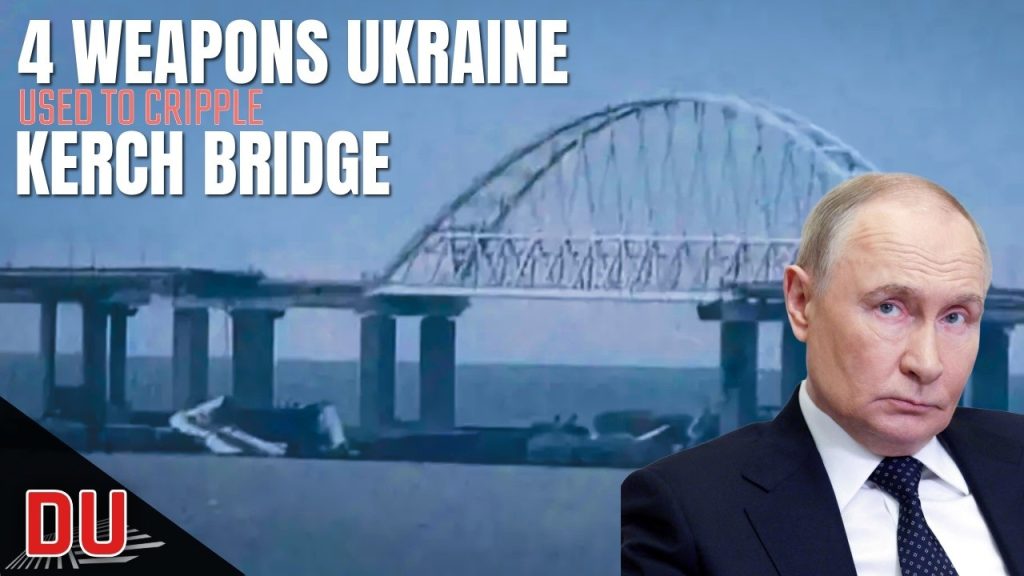
The supply routes themselves remain under fire. After a night attack reported on November 17, traffic on both the road and rail sections of the Crimean Bridge was stopped, the Russian Transport Ministry said; rail service was later restored, while the rules for cars were still to be announced. Trucks starting with small Gazelle vans have not been allowed on the bridge since January, and roughly ten thousand passenger cars a day had been crossing it, so even a passenger-only closure strands people rather than freight. Razvozhayev asked those on the mainland not to head for the crossing for now. The key alternative is the overland corridor, the R-280 Novorossiya highway from Rostov-on-Don through Mariupol and Melitopol, which now carries the weight the bridge cannot.
That corridor is a target too. In Rostov region, drones attacked a section of highway near the bridge over the Mius River in Neklinovsky District, damaging the road surface and barriers, and traffic on that bridge has been suspended since November 8, according to Governor Yury Slyusar. A supply system with a disrupted bridge, a damaged highway and attacked substations has no slack left for bad luck, weather or panic buying. That, in the end, is what the Sevastopol comments are really documenting: not a population that has lost its nerve, but a population that has done the arithmetic. Until the power stays on and the routes stay open, expect the canisters, the queues and the arguments at the pump to continue.
Source: Kanal13