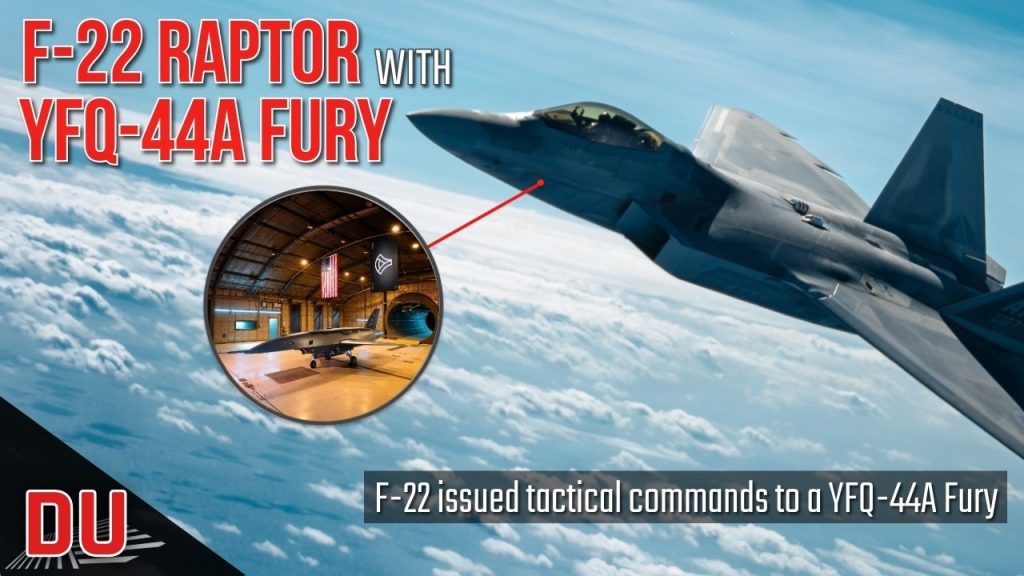
Why did the U.S. Air Force choose Collaborative Combat Aircraft (CCA) drone fighters from Anduril and General Atomics while Lockheed Martin, Boeing, and Northrop Grumman missed the first round? This military technology documentary explores the FQ-42 Vengeance and FQ-44 Fury, AI-powered autonomous wingmen, and the strategy behind America's next generation of combat aircraft. Discover why the U.S. Air Force is investing in lower-cost, uncrewed combat aircraft, how Anduril and General Atomics approached the challenge, and what this shift could mean for the future of airpower. IN THIS VIDEO: • Why the traditional stealth-fighter model faces cost, maintenance, and basing challenges • How the FQ-42 Vengeance and FQ-44 Fury fit into the Collaborative Combat Aircraft program • How autonomous flight software and crewed-uncrewed teaming work • Why Anduril and General Atomics won CCA Increment 1 • How electronic warfare, communications, software reliability, and human oversight affect autonomous aircraft • What drone fighters could mean for airpower in the Pacific • The potential impact on Lockheed Martin, Boeing, and the defense industry Subscribe for more documentaries on military technology, aerospace innovation, autonomous systems, and the future of warfare. What do you think will define future airpower: more advanced crewed fighters or a combination of crewed aircraft and autonomous wingmen? Share your view in the comments. #DroneWarfare #MilitaryTechnology #Anduril
Source: The Pentagon Wants 1,000 Stealth Drones by 2028 – Lockheed and Boeing Got Shut Out